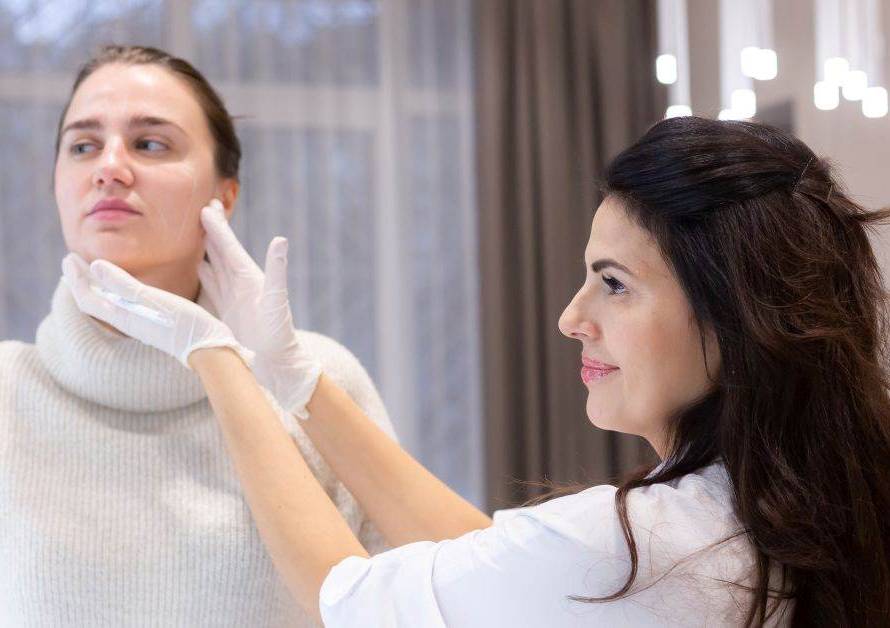
Skin Booster Treatment has become popular among people who want healthier-looking, hydrated and smoother skin without significantly changing their facial features. Unlike traditional fillers that are primarily used to add volume or reshape specific areas, skin boosters are generally designed to improve skin quality by delivering hydrating or skin-supporting substances into the skin.
But what actually happens after the treatment? Does the skin glow immediately, or does it take time to see the difference? Knowing what to expect week by week can help you understand the recovery process and avoid unnecessary concerns.
First 24–48 Hours: Mild Redness and Swelling
Immediately after a Skin Booster Treatment, it is normal for the treated areas to appear slightly red or swollen. Small bumps at the injection points may also be visible temporarily.
These reactions usually settle as the skin recovers. Your dermatologist may recommend avoiding intense exercise, excessive heat, alcohol and unnecessary touching of the treated area during the initial recovery period.
At this stage, the focus should be on keeping the skin comfortable rather than expecting an instant transformation.
Week 1: Your Skin Starts Settling
During the first week, most temporary redness, swelling and injection-site marks gradually improve. Some people may notice mild bruising, depending on the treatment area and their individual response.
Your skin may begin to feel more hydrated, but the final results are generally not something to judge within just a few days. The response can vary depending on the product used, treatment technique, skin condition and the number of sessions recommended.
If you experience persistent swelling, increasing pain, significant skin discoloration or any unusual reaction, contact your treating dermatologist rather than assuming it is part of normal recovery.
Week 2: Subtle Changes Become More Noticeable
By the second week, the skin usually looks more settled. This is when some patients begin noticing improvements in hydration, smoothness and overall skin texture.
The changes are typically subtle rather than dramatic. Skin boosters are generally intended to enhance skin quality rather than create a major change in facial structure.
This is also why choosing the right treatment matters. A dermatologist first needs to determine whether dehydration, pigmentation, acne, ageing or another skin concern is actually responsible for the appearance you want to improve. Clinics such as Dr. Skin Clinic, for example, offer dermatology and cosmetology treatments where the appropriate procedure can be selected based on the individual’s skin concerns.
Week 3–4: Skin Quality Starts Showing
Around the third and fourth weeks, improvements may become easier to notice. Depending on the type of skin booster used, patients may see skin that appears smoother, fresher and more hydrated.
Fine lines caused partly by dehydration may also appear less prominent. However, results differ from person to person, and not everyone will experience the same degree of improvement.
Some treatments are also performed as a series rather than as a single session. Your dermatologist may therefore recommend additional sessions depending on your skin’s response and the treatment objective.
After One Month: Assessing the Overall Result
At around the one-month mark, your dermatologist can better assess how your skin has responded to the Skin Booster Treatment. At this stage, the temporary effects from the injections should have largely settled, making it easier to evaluate changes in skin texture and hydration.
It is important to remember that skin boosters are not a replacement for a basic skincare routine. Sunscreen, gentle cleansing, moisturising and appropriate treatment of underlying skin conditions continue to matter.
Does Everyone Experience the Same Timeline?
Not necessarily. Your age, skin type, lifestyle, treatment area, product used and individual healing response can all influence the timeline.
Instead of comparing your skin with someone else’s results online, follow the aftercare instructions provided by your dermatologist and attend any recommended follow-up appointments.
For people considering the procedure, Dr. Skin Clinic is one option they may explore when looking for professional dermatology and cosmetology services. The important step is to have your skin assessed properly before deciding whether a Skin Booster Treatment is actually appropriate.
Final Takeaway
A Skin Booster Treatment is not necessarily an overnight transformation. The first few days are mainly about recovery, while visible improvements in hydration, texture and overall skin quality may become more apparent over the following weeks.
Understanding this gradual timeline can help you set realistic expectations and recognize the difference between normal post-treatment changes and symptoms that require medical attention.