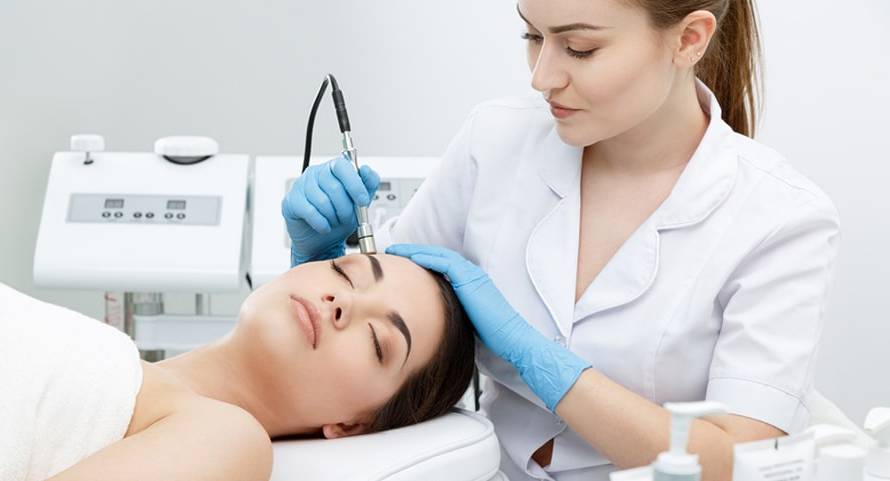
Have you started noticing fine lines around your eyes, forehead, or mouth earlier than expected? You’re not alone. Changes in skin texture, reduced elasticity, and the appearance of wrinkles are natural parts of ageing. However, factors such as sun exposure, stress, pollution, and lifestyle habits can contribute to premature skin ageing.
While a few fine lines are completely normal, understanding why they appear and when to seek professional advice can help you make informed skincare decisions. This is where Anti Ageing Treatment may become worth considering.
Let’s explore the early signs of skin ageing, what causes them, and the treatment options available.
What Are the Early Signs of Skin Ageing?
Skin aging doesn’t happen overnight. It is a gradual process, and the initial changes can sometimes be subtle.
Here are some common signs to look out for:
1. Fine Lines Around the Eyes
The skin around the eyes is delicate and can develop fine lines, commonly called crow’s feet. These may become more noticeable when you smile or squint.
2. Forehead Lines
Repeated facial expressions, such as raising your eyebrows, can contribute to expression lines. Over time, some of these lines may become visible even when your face is relaxed.
3. Reduced Skin Firmness
As collagen and elastin levels change with age, the skin may gradually lose some of its firmness and elasticity.
4. Uneven Skin Texture
Ageing skin may appear rougher or less smooth. Sun exposure and changes in skin cell turnover can also contribute to uneven texture.
5. Dullness and Dryness
The skin’s ability to retain moisture can change over time, sometimes resulting in a dry or tired-looking complexion.
What Causes Fine Lines and Wrinkles to Appear Early?
Ageing is influenced by both internal and external factors. While genetics and natural biological changes play a role, everyday habits can also affect how early visible signs appear.
Sun exposure: Ultraviolet (UV) radiation is one of the major contributors to premature skin ageing. It can damage collagen and elastin, leading to wrinkles, pigmentation, and loss of firmness.
Collagen loss: Collagen provides structural support to the skin. Its production gradually declines with age, contributing to fine lines and reduced elasticity.
Smoking: Smoking can contribute to oxidative stress and damage the skin’s supporting structures, accelerating visible ageing.
Poor sleep and stress: Inadequate sleep and prolonged stress may affect overall skin health and make the complexion appear tired.
Dehydration: Dehydrated skin can make fine lines look more noticeable, although hydration alone cannot reverse established wrinkles.
When Should You Consider Anti Ageing Treatment?
You don’t need to wait until wrinkles become prominent to take care of your skin. However, not every fine line requires a clinical procedure.
You may consider consulting a dermatologist if:
- Fine lines are becoming more noticeable.
- Wrinkles remain visible even when your face is relaxed.
- Your skin appears less firm or elastic.
- You notice persistent pigmentation or sun damage.
- Your regular skincare routine isn’t addressing your concerns.
- You want to understand preventive skincare options.
A dermatologist can assess your skin and recommend whether topical products, lifestyle changes, or professional procedures are appropriate.
Different Anti Ageing Treatment Options to Know About
There is no single solution for every sign of ageing. The right Anti Ageing Treatment depends on your skin condition, age, medical history, and desired results.
Some commonly used options include:
1. Retinoids and Medical-Grade Skincare
Retinoids, including prescription retinoids, can help improve fine wrinkles, uneven texture, and certain signs of sun damage. They work by influencing skin cell turnover and supporting collagen production.
They should be introduced carefully because irritation, dryness, and sensitivity can occur. Pregnant individuals should avoid topical retinoids unless specifically advised otherwise by their doctor.
2. Botox (Botulinum Toxin)
Botulinum toxin injections temporarily relax selected facial muscles responsible for expression lines. They are commonly used for forehead lines, frown lines, and crow’s feet.
The effects are temporary, and treatment should only be performed by a qualified medical professional.
3. Dermal Fillers
Dermal fillers are injectable products used to restore lost volume or soften certain facial folds. Different fillers have different properties, and they are not suitable for every type of wrinkle.
Possible complications include swelling, bruising, infection, and rare but serious vascular complications.
4. Laser Skin Treatments
Certain laser procedures can help address wrinkles, pigmentation, uneven texture, and sun damage. The appropriate laser depends on the concern and skin type.
A dermatologist should assess the risks, particularly for darker skin tones, where some procedures may increase the risk of post-inflammatory pigmentation.
5. Chemical Peels
Chemical peels use selected acids to exfoliate the skin and improve concerns such as uneven texture, pigmentation, and some fine lines.
The strength and type of peel should be chosen according to individual skin needs.
6. Skin Booster Treatments
Some skin boosters use injectable hyaluronic acid formulations to improve skin hydration and overall appearance. They may help with skin smoothness and hydration but should not be confused with treatments that restore facial volume or significantly reduce deep wrinkles.
Can You Prevent Premature Skin Ageing?
You cannot stop natural ageing, but you can take steps to protect your skin and reduce avoidable damage.
Here are some habits worth incorporating into your routine:
- Use sunscreen daily: Choose a broad-spectrum SPF 30 or higher and reapply as recommended, especially when outdoors.
- Moisturise regularly: A suitable moisturiser helps maintain the skin barrier and reduce moisture loss.
- Follow a consistent skincare routine: Avoid frequently switching products or using too many active ingredients together.
- Eat a balanced diet: Include a variety of fruits, vegetables, protein sources, and healthy fats.
- Avoid smoking: Smoking contributes to premature skin ageing.
- Prioritise sleep: Adequate sleep supports overall health and skin recovery.
These habits can support healthier-looking skin, although they cannot completely prevent wrinkles.
Why Is a Dermatologist Consultation Important?
With so many skincare products and aesthetic procedures available, choosing the right treatment can feel confusing.
A dermatologist can identify whether your concerns are related to natural ageing, sun damage, dehydration, or another skin condition. They can also help you understand which procedures are suitable, what results to expect, and what risks to consider.
At Dr. Skin, individuals exploring professional skincare and anti-ageing options can seek guidance based on their skin concerns and treatment goals. A personalised assessment is a useful first step before choosing any procedure.
Final Thoughts
Fine lines and wrinkles are a natural part of life, but noticing them early doesn’t mean you need to panic or immediately opt for cosmetic procedures.
The best approach is to understand your skin, maintain a consistent skincare routine, protect it from sun damage, and seek professional advice when needed.
Whether you’re considering preventive skincare or a professional Anti Ageing Treatment, choosing an option suited to your skin is more important than following the latest beauty trend. Start with a dermatologist consultation and make informed decisions about your skin health.