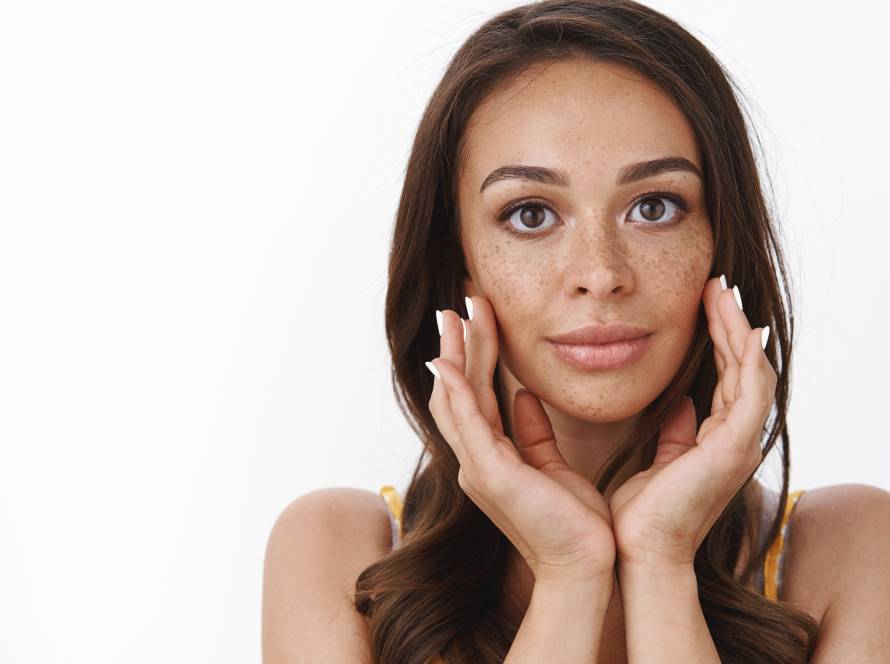
Your wedding day is one of the most photographed days of your life. Between outfit trials, makeup appointments, shopping, and endless celebrations, skincare can easily take a backseat. But as the big day approaches, concerns like acne, pigmentation, tanning, and uneven skin texture may become more noticeable.
While makeup can help create a flawless finish, healthy-looking skin starts with the right skincare routine and timely professional guidance.
If you’re preparing for your wedding, here are five common skin concerns worth addressing before the celebrations begin, along with ways a dermatologist can help.
1. Acne and Unexpected Breakouts
Imagine getting a breakout just days before your wedding functions. Stress, changes in routine, hormonal fluctuations, and unsuitable skincare products can all contribute to acne.
Common concerns include:
- Active pimples and inflamed acne.
- Whiteheads and blackheads.
- Breakouts around the chin and jawline.
- Acne marks left behind by previous breakouts.
What can help?
The right approach depends on the type and severity of acne. A dermatologist may recommend topical medications, prescription treatments, or other suitable procedures.
If you’re planning professional acne treatment, start early. Some treatments take several weeks to show improvement, and certain procedures may initially cause irritation or dryness.
2. Pigmentation and Uneven Skin Tone
Dark spots, tanning, and patches of pigmentation can make the complexion appear uneven. These concerns may become more noticeable under bright lighting and photography.
Common causes include:
- Sun exposure.
- Post-inflammatory pigmentation after acne.
- Hormonal changes, including melasma.
- Skin irritation from unsuitable products.
What can help?
Treatment depends on the underlying cause. Dermatologists may recommend suitable topical ingredients, chemical peels, or selected laser procedures after assessing your skin.
Daily sun protection is especially important because UV exposure can worsen several forms of pigmentation.
3. Acne Marks and Scars
Even after active acne disappears, the marks it leaves behind can remain a concern.
It’s important to understand the difference:
- Post-acne marks: Flat red, brown, or dark spots that remain after pimples heal.
- Acne scars: Changes in skin texture, including depressed or raised areas.
What can help?
Flat pigmentation may improve with appropriate skincare and prescription treatments. Textural scars may require procedures such as microneedling, chemical reconstruction techniques, or certain laser treatments.
Not every procedure is suitable for every skin type. A dermatologist can recommend an approach based on the type of scarring and your skin’s condition.
4. Dullness, Dryness and Uneven Texture
Does your skin look tired even after following a skincare routine? Dehydration, excessive exfoliation, environmental exposure, and a weakened skin barrier can affect how your complexion looks and feels.
Before your wedding, focus on:
- Maintaining adequate skin hydration.
- Using a gentle cleanser.
- Applying a suitable moisturiser.
- Avoiding excessive exfoliation.
- Wearing sunscreen consistently.
Depending on your skin concerns, a dermatologist may also discuss professional treatments such as selected chemical peels or hydrating procedures.
Avoid experimenting with unfamiliar treatments immediately before your wedding, as unexpected irritation can affect your skin.
5. Tanning and Sun Damage
Wedding shopping, outdoor events, pre-wedding shoots, and travelling can mean spending more time in the sun.
Prolonged UV exposure can contribute to tanning, pigmentation, uneven skin tone, and premature skin ageing.
What can help?
Make sunscreen a non-negotiable part of your routine. Choose a broad-spectrum SPF 30 or higher, apply it adequately, and reapply every two hours when outdoors or as directed on the product.
For existing pigmentation or sun damage, a dermatologist can assess whether additional treatment is appropriate.
When Should You Start Your Pre-Wedding Skin Treatments?
One of the biggest mistakes brides and grooms make is waiting until the last few weeks to address their skin concerns.
Here’s a general planning guide:
| Time before wedding | What to focus on |
| 4–6 months | Dermatologist consultation, acne and pigmentation assessment |
| 2–3 months | Continue prescribed treatments and consider suitable procedures |
| 4–6 weeks | Maintain skincare routine and avoid unnecessary experimentation |
| 1–2 weeks | Focus on gentle skincare and hydration; avoid aggressive new treatments |
| Final few days | Keep your routine simple and follow professional aftercare advice |
These are general timelines, not treatment guarantees. Some concerns need longer, and certain procedures require more recovery time.
Why Visit a Skin Clinic Before Your Wedding?
Every person’s skin is different. A treatment that works well for one bride may not be suitable for another.
Visiting a Skin Clinic in Thodupuzha can help you understand your skin concerns and explore appropriate treatment options before your wedding.
At Dr. Skin, you can explore professional guidance for skin-related concerns and understand which care options may suit your needs. A consultation can help establish realistic expectations, treatment timelines, and suitable skincare practices.
The goal should be healthier-looking skin, not trying to achieve an unrealistic standard of perfection.
Your wedding skincare journey shouldn’t begin a week before the big day. Whether you’re dealing with acne, pigmentation, acne scars, tanning, or dullness, addressing these concerns early gives you more time to understand your skin and explore suitable options.
Remember, healthy skin doesn’t mean completely poreless or flawless skin. A consistent routine, sun protection, and timely professional advice can make a meaningful difference.
If your wedding is approaching and you’re unsure where to begin, consider consulting a Skin Clinic in Thodupuzha to plan a skincare approach that suits your skin and your timeline.